Sustainability
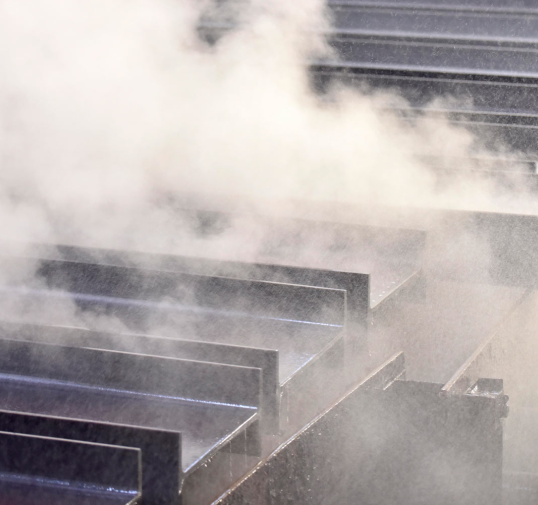
We are Europe’s largest producer of steel made from ferrous scrap using electric arc furnaces, an efficient technology with low environmental impact. We also have one of the largest recycled steel supply chains in Europe.
We give infinite lives to finite resources.
We transform scrap into 100% recyclable and reusable steel, with no loss of properties, demonstrating that the industry can lead the transition to a circular and low-carbon model.
We are committed to efficient, technologically advanced and environmentally friendly production. This commitment makes us an international benchmark in circular economy and decarbonisation, promoting a more responsible way of producing, consuming and managing resources.
Transforming today. Strengthening tomorrow.
Environmental, social and governance commitments
We are building a future with respect for the planet, shared prosperity and responsible governance. We guide every decision through sustainability criteria to generate lasting value and positive impact on the environment.

94%
of the end product is made from recycled steel

98%
of steel production waste is recovered

43%
of our CO2 emissions (scopes 1 and 2) are below the industry average

74%
of water reused

40%
upstream vertical integration

19%
downstream vertical integration

84%
of our purchases are local

3.4%
of EBITDA invested in R&D&I

93%
of staff on permanent contracts

80%
of staff covered by collective agreements

13%
female workforce
78%
professionals received training
+€5
value added in the Spanish economy for every euro generated by Celsa Spain
€3,968 million
economic contribution (direct, indirect and induced)
52,740
jobs created (direct, indirect and induced employment)
€8.47 million
allocated to actions promoting environmental improvement
Identity and purpose
Purpose
We give infinite lives to finite natural resources.
Vision
Lead the creation of circular production chains to contribute to the transition towards a positive impact economy.
Mission
Be a leading company in the production of low-carbon recycled steel in Europe.
Values
Sustainability strategy
We have built our sustainable development strategy on seven fundamental commitments.
As a key player in an emissions-intensive sector, we have reinforced our commitment to decarbonisation and the objectives of the Paris Agreement. In 2024, we conducted a comprehensive review of climate risks and advanced the implementation of the 2030 Decarbonisation Plan. This process included the prioritisation of actions, the quantification of the investments needed and the definition of scenarios for our main facilities, consolidating a strategic roadmap aligned with international climate principles.
The Science Based Targets initiative (SBTi) has validated that our 2030 decarbonisation targets are aligned with climate science and the 1.5°C scenario.
Thanks to the use of electric arc furnaces, our CO₂ emissions (scopes 1 and 2, depending on location) are up to nine times lower than those of conventional processes using blast furnaces.
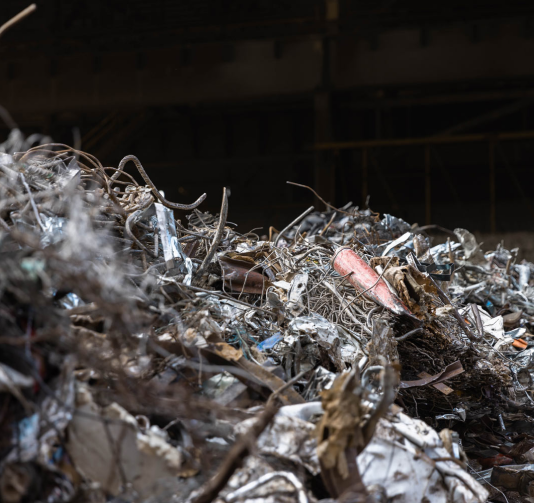
Our production model is based on the recycling of ferrous scrap to manufacture low-emissions steel, avoiding the build-up of waste in landfill and reducing the extraction of natural resources. In a global context where only 6.9% of the economy is circular, we maintain a 95.4% usage rate of recycled material as raw material, and recover 98% of the waste generated. 100% of the steel contained in our products is 100% recyclable.
In addition, we have achieved a 4.8% reduction in water consumption as a result of the optimisation measures implemented in our processes.
We have a Safety, Health and Wellness Policy that establishes the common framework for action at all our facilities. In 2024, we intensified preventive and safety awareness actions, achieving a 40% improvement in the high potential accident (PSIF) rate, which closed the year at 0.84.
The talent of our people drives Celsa’s growth. During 2024, we launched new development and learning programmes with more than 5,700 participants, and conducted management engagement surveys and a global climate survey for all staff, thus reinforcing our active listening.
We are committed to equal opportunities, diversity and well-being in work and family life.
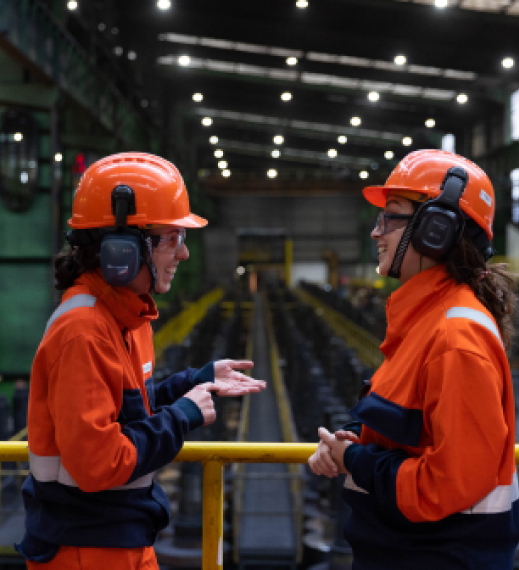
We operate in a sector where women have traditionally been under-represented. Aware of this challenge, we apply equality policies and action plans to redress this reality.
13% of the workforce is currently made up of women, 3% above the average for the Spanish steel sector.
In 2024 we launched development of Celsa’s LGTBI+ Equality and Inclusion Plan, and have continued to strengthen our collaboration with programmes to promote the professional development of women at the organisation.
In 2024, we allocated 1.38 million euros to community development projects and programmes, thus reinforcing our involvement with the environment. The most notable contributions of the year included the aid campaign for people affected by the DANA flash flooding in Valencia, promoted by the Red Cross.
We have also evaluated our socioeconomic impact on local economies, with results that confirm our relevance: in 2024 we will contribute 2,447.4 million euros to the Spanish economy, equivalent to 0.16 % of national GDP and 42.24% of the metals sector’s GDP in Spain, while generating a total of 33,045 direct, indirect and induced jobs. For every euro of value added generated by Celsa in Spain, more than 5 euros of value added are generated for the Spanish economy.
We are committed to purchasing from local companies, and so contributing to the economic development of communities and reducing the environmental impacts associated with transportation. During 2024, we made purchases totalling 1.76 billion euros from 13,354 local suppliers, representing 84% of our total purchases.
Our Supply Chain Policy, designed to promote a sustainable, ethical and responsible value chain, establishes the requirements for suppliers to adopt the principles of our Code of Ethics and the United Nations Global Compact.
Our Code of Ethics and Professional Conduct is mandatory for everyone at the organisation and contains the principles, criteria and standards that guide our actions.
In 2024, we strengthened our commitment to integrity and good business practices with the creation of the Ethics Committee, a new collegiate compliance body with full autonomy to adopt initiatives and exercise control. This Committee oversees our Crime Prevention Model and heads the Internal Reporting System, ensuring compliance with the law and our highest ethical standards.
At Celsa, we believe that sustainability is the way to generate lasting value, both for the company and for the society and environment in which we operate. This is why we apply the dual materiality approach, which allows us to comprehensively understand the impact and relevance of environmental, social and governance (ESG) aspects in our business.
In line with the requirements of the European Sustainability Reporting Standards (ESRS), we conducted a double materiality analysis in 2024, ensuring that all key perspectives are represented, and resulting in a matrix to steer our sustainability priorities.
Since 2021, we have been part of the United Nations Global Compact, and reaffirm our commitment to its ten principles in key areas such as employment conditions, environmental protection and anti-corruption. We have furthermore prioritised six of the seventeen Sustainable Development Goals (SDGs) that we consider essential to our impact and growth, progressing decisively towards a more responsible future.
In 2030
Climate objectives*
 50%:
50%:
Reduce scope 1 and 2 CO2 emissions (market-based) by 50% compared with 2021.
25%:
Reduce scope 3 CO2 emissions by 25% compared with 2021
Circularity objectives
Be 98% circular.
* These objectives have been prioritised and will be adjusted periodically to maintain a balance between sustainability and competitiveness.
In 2050
Climate objective:
0%
Be CO2 emissions-neutral in scopes 1, 2 (market-based) and 3
Circularity objectives
Be 100% circular
In 2025
Safety, health and talent objectives
5.63
Overall frequency index (‘FI’)
0.25
Potentially serious injury or fatality frequency index (‘PSIFFI’)
Transparency

Policies
under translation
Sustainable Financing Framework